


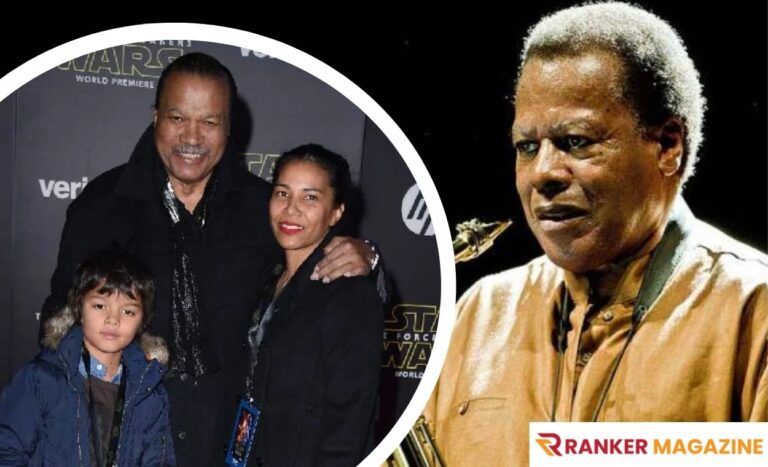
Wayne Shorter is known as one of the greatest jazz musicians of all time. His saxophone playing and songwriting shaped the sound of modern jazz. But behind his success, there was someone very important — Miyako Shorter. While Wayne stood in the spotlight, Miyako was a steady force behind the scenes. Many fans know Wayne’s music, but fewer know the story of the woman who helped shape his life. This article explores who Miyako Shorter was, her influence, and why her name is tied to some of Wayne’s most emotional works.
Quick Bio Table: Miyako Shorter
| Fact | Details |
|---|---|
| Full Name | Miyako Shorter |
| Relationship | First wife of Wayne Shorter |
| Nationality | Japanese-American (believed) |
| Marriage Year | 1961 |
| Children | One daughter, Iska |
| Famous Song Named After | “Miyako” (1969) |
| Influence | Emotional and spiritual support |
| Religion/Spirituality | Practiced Buddhism (SGI) |
| Known For | Quiet support of Wayne Shorter |
| Public Appearances | Very few |
| Legacy | Inspiration for jazz ballads |
| Relationship Status | Divorced |
| Life After Wayne | Private life post-divorce |
Who Was Wayne Shorter?
Wayne Shorter was a legendary jazz saxophonist, composer, and bandleader. Born in 1933 in Newark, New Jersey, he played with some of the most famous names in music, including Art Blakey, Miles Davis, and Weather Report. His music was known for being creative, deep, and always evolving. He didn’t just play the saxophone — he told stories with it.
Shorter wrote music that inspired people around the world. He won Grammy Awards and was respected by musicians in jazz, rock, classical, and beyond. But behind his genius, he had personal stories filled with love, loss, and growth.
Enter Miyako Shorter — Wayne’s First Wife
Miyako Shorter was Wayne’s first wife. They married in 1961 and were together during one of the most exciting periods of Wayne’s career. Miyako was not just a partner at home. She became an emotional anchor during times of success and struggle. Though she lived mostly outside the spotlight, her presence deeply affected Wayne’s music.
Their relationship was full of passion, creativity, and also heartbreak. Wayne even named one of his most touching compositions “Miyako” — a soft, emotional ballad that many believe was written in her honor.
The Song “Miyako” — A Tribute in Jazz
Wayne Shorter wrote many songs, but “Miyako” stands out for its tenderness. Released in 1969 on his album Schizophrenia, this ballad is calm, beautiful, and emotional. The name “Miyako” in the title points clearly to his then-wife.
Listeners often say the song feels like a conversation — full of love, longing, and quiet moments. It’s a side of Wayne not often seen in his other music. “Miyako” gives us a window into their relationship, even though the lyrics are never spoken — the saxophone says it all.
Life Together in the 1960s and 70s
During their time together, Wayne and Miyako lived through one of the most creative eras in jazz. Wayne played with Miles Davis’s Second Great Quintet, creating revolutionary music. He also co-founded the band Weather Report, which blended jazz with rock and funk.
While Wayne was often on tour or in the studio, Miyako helped hold down their home life. They faced many challenges, including the pressures of fame and personal tragedy. Their daughter, Iska, was born with serious health issues. Sadly, she passed away at just 14. This loss deeply impacted both Wayne and Miyako, and it shaped Wayne’s later music and life philosophy.
Miyako Shorter’s Influence on Wayne’s Spiritual Path
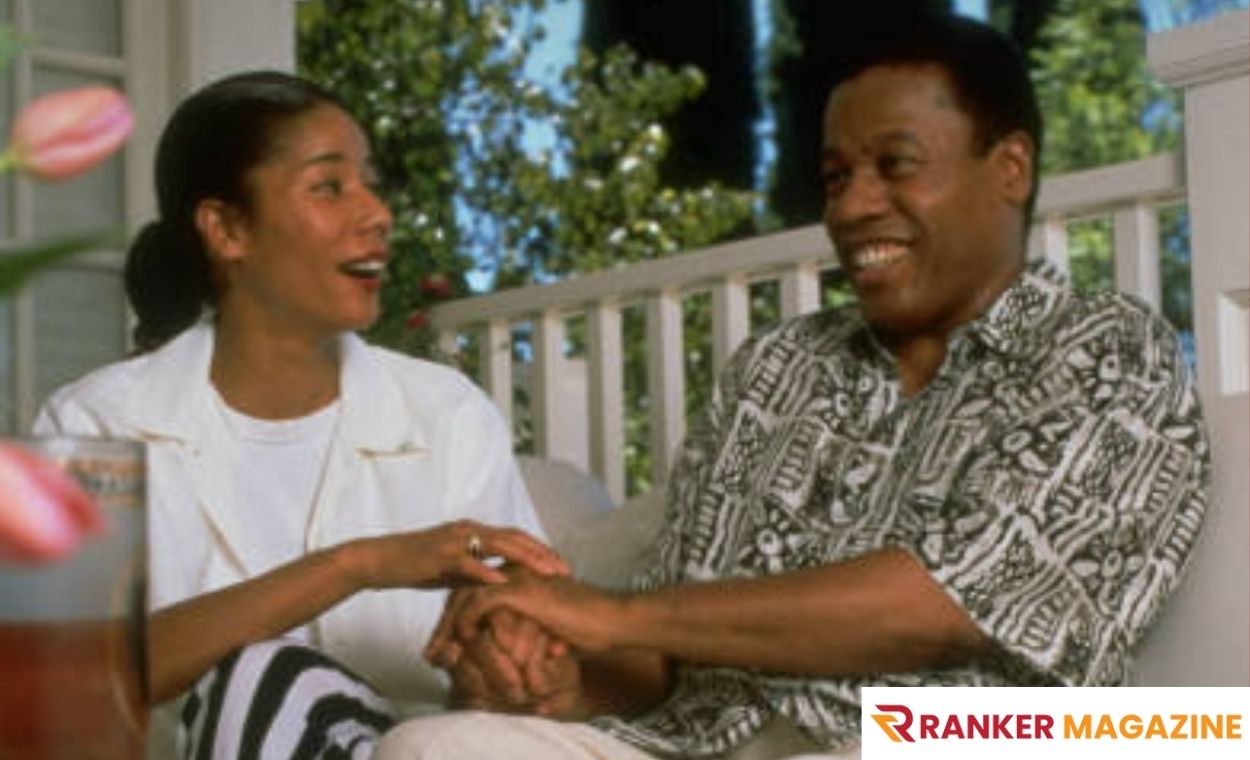
After Iska’s passing, both Wayne and Miyako began searching for peace and healing. This led them to Buddhism. Wayne became a devoted member of the Soka Gakkai International (SGI), a lay Buddhist organization. It’s believed that Miyako introduced or supported him in this journey.
Buddhism helped Wayne deal with pain and loss. He once said that chanting gave him strength and helped him let go of fear. Miyako’s quiet influence was key in this spiritual journey. Her support helped Wayne grow not only as a musician but also as a person.
The Role of Women in Jazz History — Often Overlooked
Jazz history often highlights male artists, but women like Miyako Shorter have played major roles behind the scenes. Whether they are wives, managers, or quiet supporters, their work and love allow musicians to shine.
Miyako was not on stage, but her presence was deeply felt. She created a home life that gave Wayne the space to create his art. She supported him through grief and success. These contributions, though quiet, are just as important as the music.
What Happened to Miyako Shorter?
Details about Miyako Shorter’s later life are not widely known. After her divorce from Wayne, she stepped back from public attention. Wayne later remarried Carolina Dos Santos in 1999. Still, Wayne continued to speak respectfully about Miyako. The love and memories they shared lived on, especially through the music.
It’s clear that “Miyako,” the song, is more than just music. It’s a tribute. A reminder. A part of history that keeps her memory alive in jazz culture.
Personal Tragedy: The Death of Their Daughter Iska
Wayne and Miyako had one daughter, Iska. She was born with severe health conditions, including seizures. Despite the challenges, they loved her deeply. Iska’s life was short, but meaningful.
Iska’s death in the 1980s was a turning point. It brought Wayne and Miyako closer in some ways but also created emotional distance. Wayne later said that he found comfort in spirituality and music. Many believe Miyako’s strength during this time helped him survive emotionally.
Songs Inspired by Miyako and Iska
Wayne Shorter named several compositions after the women in his life. These songs hold deep meaning and emotional weight.
Examples:
-
“Miyako” – A soft, emotional jazz ballad written for his wife.
-
“Infant Eyes” – Believed to be inspired by their daughter Iska.
-
“Iska” – Another tribute that shows Wayne’s love and grief.
Each of these songs captures a different feeling: love, hope, sadness, and peace. They show how personal life and music can be deeply connected.
Miyako’s Place in Jazz History
While Miyako was not a musician, her name appears in jazz history through Wayne’s music. Her quiet strength influenced one of jazz’s greatest composers. That makes her part of the story.
We must start telling the stories of people like Miyako Shorter. They may not have stood on stage, but their impact is lasting. Just like a strong rhythm section supports a soloist, people like Miyako support genius behind the scenes.
5 Key Lessons from Miyako Shorter’s Life
-
Quiet Strength Matters: You don’t need to be famous to have a big impact.
-
Love Inspires Art: Miyako’s love gave Wayne strength to create emotional music.
-
Support Systems Are Crucial: Behind every artist is someone holding them up.
-
Grief Can Be Transformative: Miyako helped Wayne navigate deep loss.
-
Women’s Stories Deserve Telling: Even silent partners shape history.
Final Thoughts
Miyako Shorter may not be a household name, but her story is deeply important. She stood beside Wayne Shorter during key years of his career. She gave love, support, and emotional strength that helped shape some of the greatest jazz music of all time. Her name lives on in the beautiful melodies of songs like “Miyako,” proving that love and support can be just as powerful as any instrument.
As we tell the stories of jazz, let’s not forget the quiet heroes like Miyako Shorter — women who inspired history from the background.
FAQs
1. Who was Miyako Shorter?
Miyako Shorter was the first wife of jazz saxophonist Wayne Shorter. She is known for being the inspiration behind several of his most emotional songs, including “Miyako.”
2. Did Miyako Shorter have children?
Yes, she and Wayne had a daughter named Iska. Sadly, Iska died at a young age due to health problems.
3. What song did Wayne Shorter write for Miyako?
Wayne Shorter wrote “Miyako” in 1969. It’s a gentle jazz ballad believed to be a tribute to his wife.
4. Did Miyako have a public role in Wayne’s career?
Not directly. She was not a performer, but her influence was emotional and spiritual, especially during tough personal times.
5. What happened to Miyako Shorter after her divorce?
She lived a private life and stayed away from the public eye. Details about her later years are limited.
6. What religion did Wayne and Miyako practice?
They both practiced Buddhism, specifically with the Soka Gakkai International group.
7. Why is Miyako Shorter important in jazz history?
Though she wasn’t a musician, her emotional support and inspiration helped shape Wayne Shorter’s most heartfelt works.
Click for more articles info. rankermagazine.co.uk
