


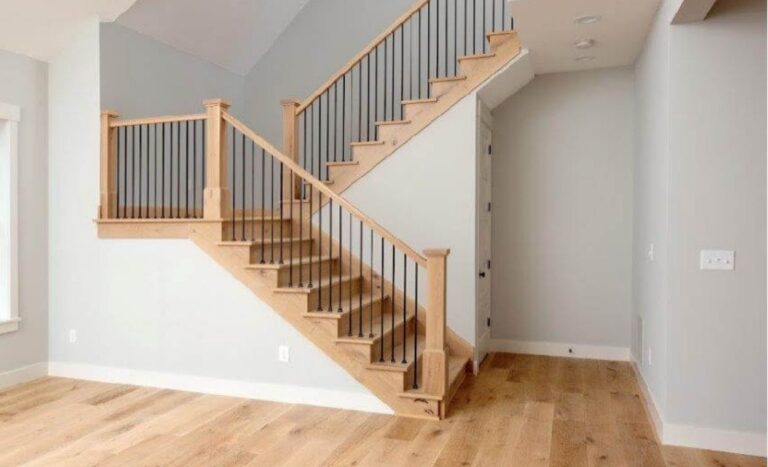
Among the many materials that define home architecture, few have maintained their appeal as long as white oak. Known for its strength, subtle color, and exceptional durability, White Oak Stair Parts have become a hallmark of quality in interior design. Whether used in classic colonial homes or sleek modern interiors, white oak staircases add not just function, but artistry and warmth. The term stair parts covers everything from treads and risers to handrails, newel posts, and balusters—all crafted from solid or engineered white oak wood to achieve both beauty and endurance.
As we move into 2025, interior designers, builders, and homeowners alike are re-embracing natural materials. The minimalist trend has inspired renewed interest in White Oak Stair Parts for their ability to balance elegance with resilience. But what makes white oak so distinctive compared to other woods? Let’s explore its origins, craftsmanship, and evolving role in today’s sustainable design world.
Early Life and Origin of White Oak
White oak (Quercus alba) is native to North America, thriving primarily in the eastern and central United States. Historically, it has been valued for centuries for furniture, flooring, and shipbuilding. Its tight grain structure, light hue, and moisture resistance make it one of the most reliable hardwoods ever used in construction.
During the 18th and 19th centuries, white oak was the wood of choice for colonial and Victorian-era staircases. These early craftsmen prized its ability to hold finishes, resist warping, and age gracefully. The same qualities continue to attract today’s homeowners and architects who want staircases that combine heritage with longevity.
The Natural Strength of White Oak
One of the defining features of White Oak Stair Parts is their mechanical strength. The dense cellular structure makes them less porous, giving natural resistance to moisture and decay. This characteristic explains why white oak was historically used for wine barrels, ships, and bridges—it withstands harsh environmental conditions.
In stair construction, these properties translate into exceptional load-bearing capacity. White oak can endure years of foot traffic without bending, cracking, or squeaking. Unlike softer woods such as pine or poplar, it maintains structural integrity even under constant stress. This makes it ideal for both residential and commercial staircases where safety and stability are paramount.
Aesthetic Versatility in Interior Design
The light golden hue of white oak offers unmatched design versatility. It adapts beautifully to a wide range of interiors—from modern industrial lofts to cozy countryside homes. When used as stair treads or balusters, its subtle grain provides warmth without overpowering the surrounding decor.
Designers often highlight White Oak Stair Parts through finishes like natural matte sealers, neutral stains, or even whitewashing. This allows homeowners to tailor the staircase to match flooring, cabinetry, or wall tones. Moreover, its ability to blend seamlessly with materials such as glass, steel, and stone creates endless possibilities for contemporary designs.
Types of White Oak Stair Parts
Every staircase is a composition of several distinct components, each crafted with care. Here’s a breakdown of common parts and their functions:
-
Treads – The horizontal steps you walk on. White oak treads are valued for their smooth surface and wear resistance.
-
Risers – The vertical boards between treads, giving depth and proportion to the staircase.
-
Handrails – Crafted from white oak to offer both comfort and strength in grip.
-
Newel Posts – Central or end pillars providing structural support; these often feature decorative turning or carving.
-
Balusters (Spindles) – Thin vertical supports that enhance safety and visual appeal.
-
Landing Platforms – Flat intermediate sections made from the same wood for consistency in tone and texture.
Each component plays a unique role in balancing form and function. Together, they create a cohesive architectural statement that elevates any space.
Manufacturing and Craftsmanship
The process of transforming raw white oak lumber into stair parts requires precision and artistry. After harvesting, the logs undergo kiln drying to stabilize moisture content and prevent future warping. Skilled woodworkers then select boards with consistent grain and color to ensure a uniform look throughout the staircase.
Modern CNC machinery aids in cutting and shaping, but the finishing touches—sanding, hand rounding, and staining—remain manual. The hallmark of a premium White Oak Stair Part lies in its craftsmanship: tight joints, smooth edges, and a flawless finish. Many suppliers now offer custom-sized parts to fit the exact dimensions of the customer’s staircase, reflecting the modern trend toward personalization in home design.
Sustainability and Environmental Responsibility
In the era of eco-conscious design, sustainability has become central to material selection. Fortunately, white oak stands out as a responsible choice. Most White Oak Stair Parts come from forests managed under sustainable forestry programs across North America. The trees regenerate naturally, and mills are required to maintain balanced harvest-to-growth ratios.
Additionally, white oak’s longevity minimizes replacement frequency, reducing overall environmental impact. Some manufacturers even use low-VOC adhesives and finishes to ensure indoor air quality remains healthy. Thus, choosing White Oak Stair Parts not only enhances your home’s beauty but also supports a greener future.
Comparing White Oak with Other Woods
When selecting stair materials, homeowners often compare white oak to other popular species. Here’s how it stacks up:
-
Red Oak – Slightly pinker tone and more open grain. White oak is denser and more moisture resistant.
-
Maple – Lighter and smoother but less grain contrast. White oak offers richer texture.
-
Walnut – Darker and more luxurious but softer. White oak provides better wear resistance at a lower cost.
-
Pine – Affordable but soft and prone to dents. White oak far outperforms in strength and durability.
This comparison makes it clear why builders favor white oak for long-lasting stair installations. Its unique balance of hardness, color neutrality, and design adaptability places it in a class of its own.
White Oak in Modern Architecture
In 2025, architecture has evolved to emphasize natural materials, open spaces, and neutral palettes. White Oak Stair Parts fit perfectly within these trends. Their pale tones reflect natural light, creating an illusion of openness in smaller homes. Moreover, white oak complements minimalist aesthetics where simplicity and texture take center stage.
Designers are also experimenting with mixing White Oak Stair Parts with materials like black steel balusters or glass panels. This blend of organic and industrial elements creates visually dynamic staircases that serve as focal points within interiors. The result is a design language that feels timeless yet distinctly modern.
Maintenance and Care Tips
While white oak is inherently durable, proper care extends its life and keeps it looking pristine:
-
Regular Dusting: Prevent grit buildup that can scratch the surface.
-
Avoid Excess Water: Clean with a damp, not wet, cloth.
-
Use Mild Cleaners: Avoid harsh chemicals that can damage the finish.
-
Apply Protective Coatings: Reapply polyurethane or oil finishes every few years.
-
Check for Loose Parts: Tighten screws or brackets to maintain stability.
With minimal effort, white oak staircases can retain their fresh, natural glow for decades.
Customization and Design Trends for 2025
As personalization defines 2025 home trends, custom White Oak Stair Parts are in high demand. Homeowners now prefer hybrid styles—combining Scandinavian simplicity with rustic warmth. Wide treads, open risers, and floating stair designs are becoming especially popular in modern renovations.
Some manufacturers even offer digital visualization tools, allowing users to preview how different stains or railing designs look before ordering. Sustainable finishes, brushed textures, and natural oil coatings are trending, emphasizing both aesthetic and ecological values.
Investment Value and Longevity
Installing white oak stair parts isn’t merely a design decision—it’s a long-term investment. Staircases crafted from this hardwood add tangible resale value to a home. Potential buyers often associate white oak with quality craftsmanship, timeless style, and low maintenance.
Considering its lifespan of 40–100 years, White Oak Stair Parts deliver excellent return on investment. Unlike cheaper alternatives that may need replacement every decade, white oak endures generations, aging beautifully and adding character over time.
Conclusion
In every sense, White Oak Stair Parts represent the perfect marriage of strength, beauty, and sustainability. They tell a story that bridges traditional craftsmanship and modern innovation. From colonial estates to cutting-edge smart homes, white oak continues to define interior architecture with quiet confidence.
Choosing white oak isn’t just about upgrading your staircase—it’s about embracing a piece of living history that enhances both your home’s aesthetic and its future value. As 2025 ushers in an era of mindful living, White Oak Stair Parts remain a symbol of enduring quality and timeless appeal.
Frequently Asked Questions (FAQs)
1. What are White Oak Stair Parts made of?
They are crafted from North American white oak wood (Quercus alba), known for its strength, fine grain, and natural moisture resistance.
2. Are White Oak Stair Parts better than red oak?
Yes, in many cases. White oak is denser, more resistant to water, and has a subtler, more neutral tone that suits modern interiors.
3. Can I stain White Oak Stair Parts?
Absolutely. White oak accepts stains evenly, allowing for light, natural, or dark finishes depending on your preference.
4. How long do White Oak Stair Parts last?
With proper maintenance, they can last between 40 and 100 years, making them one of the most durable materials for stair construction.
5. Are White Oak Stair Parts sustainable?
Yes, they come from managed forests in North America, ensuring renewable harvesting practices.
6. What design styles suit White Oak Stair Parts best?
They work beautifully in modern, Scandinavian, farmhouse, minimalist, and transitional interiors.
7. Do White Oak Stair Parts require a lot of maintenance?
Not much. Regular cleaning and occasional refinishing are enough to keep them in top condition.
8. Can I install White Oak Stair Parts myself?
DIY installation is possible for smaller projects, but professional fitting ensures precision and long-term stability.
9. Are White Oak Stair Parts expensive?
They fall in the moderate-to-premium range, reflecting the quality and durability of the material. However, the long lifespan makes them cost-effective over time.
10. Why are White Oak Stair Parts trending in 2025?
Because they combine sustainability, minimalist beauty, and lasting strength—three core values shaping modern home design.
